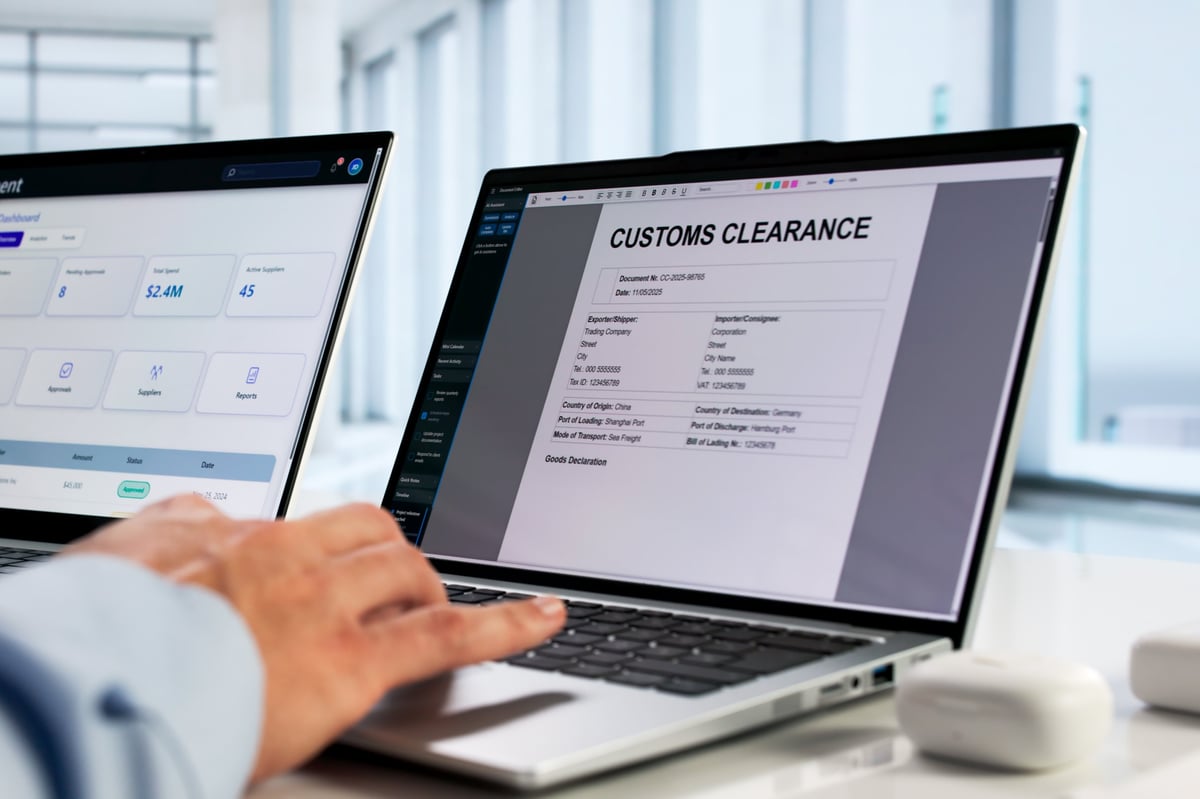
Professional Man Completing Import Export Clearance Form On Laptop Computer

TARIFF RECOVERY

Identify Overpaid Dutiesand Recoverable Tariff Refunds

Review tariff classifications, customs values, duty payments, and historical import records to identify potential overpayments and supported refund opportunities.

REVIEW SCOPE

Where Tariff Overpayments May Occur

Tariff overpayments can result from classification, valuation, origin treatment, administrative errors, changing product details, or historical entries that were never reviewed together.

Potential Review Areas

  • Tariff classifications that may not match the imported product
  • Duty rates applied under an incorrect classification
  • Customs values that may include unsupported or unnecessary additions
  • Product descriptions that do not align with entry treatment
  • Origin or preference treatment requiring further validation
  • Duplicate or excessive duty payments
  • Entry changes that were not reflected in later filings
  • Credits, adjustments, or refunds that remain unresolved
  • Historical classifications that continued after products changed
  • Import activity spread across brokers, locations, or business units

What May Be Examined

Import Entries

Historical entry summaries, duty calculations, adjustments, and available filing records

Product Information

Product descriptions, specifications, composition, use, and supporting classification details

Commercial Documents

Invoices, purchase orders, packing lists, freight details, and transaction records

Broker Records

Classification reports, entry data, correspondence, and available broker documentation

Origin Documentation

Certificates, supplier records, and other available support relevant to duty treatment

Payment Activity

Duty payments, corrections, refunds, credits, and unresolved account activity

RECORDS AND SUPPORT

Build the Review Around Available Import Documentation

The strength of any potential recovery depends on the available records, the facts surrounding the import activity, and the support connected to each finding.

Customs entry summaries
Commercial invoices
Purchase orders
Product specifications
Packing lists
Broker classification reports
Bills of lading or shipping records
Certificates of origin
Duty-payment records
Post-entry adjustments
Vendor and broker correspondence
Prior classification or customs-review findings

The initial scope should be defined around the records that are reasonably available. Additional customs, legal, tax, accounting, or broker review may be appropriate when an issue falls outside Coastal Ridge's role.

WHAT LEADERSHIP RECEIVES

A Documented Tariff Recovery Findings Package

Leadership receives a structured view of the entries reviewed, potential issues identified, available support, unresolved questions, and recommended next actions.

01

Review Inventory

Import periods, entities, brokers, product groups, entries, and records included in the review

02

Potential Findings

Classification, valuation, payment, origin-treatment, or administrative issues requiring validation

03

Supporting Records

Documents and entry information connected to each potential finding

04

Validation Status

What appears supportable, what requires more information, and what should be excluded

05

Recovery Roadmap

Prioritized next steps, documentation needs, ownership, and potential follow-up

ENGAGEMENT PROCESS

From Import Records to Supported Recovery Actions

01

Define the Scope

Confirm the entities, import periods, brokers, product categories, entries, and available records.

02

Review the Entries

Examine classification, customs value, duty treatment, payment activity, and supporting documentation.

03

Validate Potential Findings

Separate supportable opportunities from issues requiring more records, specialist review, or exclusion.

04

Organize the Next Steps

Prepare a prioritized path for corrections, refund requests, broker coordination, or additional professional review.

This review may be useful when:

Import volume has grown without a centralized classification review
Multiple brokers or locations manage entry activity
Product descriptions or specifications changed
Duty costs increased unexpectedly
Historical classifications have remained unchanged for years
Credits, adjustments, or refunds remain unresolved
The business experienced acquisition, restructuring, or supplier changes
Leadership lacks a consolidated view of historical duty payments

FREQUENTLY ASKED QUESTIONS

Tariff Recovery Questions

CONFIDENTIAL INITIAL REVIEW

Determine Whether Historical Duty Payments Warrant a Closer Look

A focused initial discussion can help define the available import records, relevant periods, and whether a structured tariff recovery review is appropriate.

Request a Confidential Tariff Review
Confidential
No Obligation
Senior-Led Review